Save Your Sinuses this Spring
This time of year, most of the country is being pounded by pollen and other environmental and agricultural irritants. For many, this means scratchy eyes, runny nose, congested sinuses, and headaches. This scenario also makes it easier for a virus or bacteria to seed itself in your mucous membranes and compound your symptoms with a secondary infection.
In addition to that, stress has been shown to increase and prolong the symptoms associated with hay fever. Consider the following article published by Reuters:
![]()
NEW YORK – (Reuters Health) – Psychological stress and anxiety can make seasonal allergy attacks worse and linger longer, according to research presented Thursday at the annual meeting of the American Psychological Association in Boston.
“People may be setting themselves up to have more persistent problems by being stressed and anxious when allergy attacks begin,” Dr. Janice Kiecolt-Glaser, professor of psychology and psychiatry at Ohio State University in Columbus noted in a telephone interview with Reuters Health ahead of the meeting.
To gauge how stress and anxiety affect allergy sufferers, Kiecolt-Glaser and colleagues recruited 28 men and women with a history of hay fever and seasonal allergies to participate in a laboratory study.
On different days, the volunteers were subjected to a low-stress condition — reading quietly from magazines — and to much more stressful conditions — giving a 10-minute, videotaped speech in front of a group of “behavior evaluators” and solving math problems without paper or pen in front of the group and then watching their videotaped performance.
The researchers assessed participants’ levels of stress and anxiety and performed standard skin prick allergy tests before and right after the stressful events, as well as the next day.
Anxiety following the stressful event, the researchers found, heightened the magnitude of the allergic reactions induced by the skin prick tests. These allergic reactions show up on the forearm as slight wounds, or “wheals.”
People who were moderately stressed because of the experiment had wheals that were 75 percent larger after the stressful event compared to the same person’s response after the low-stress condition.
People who were highly stressed had wheals that were twice as large after they were stressed compared to their response when they were not stressed. Moreover, these highly stressed people were four times more likely to show allergic wheals a full day after the stressful event.
This suggests, the researchers say, that highly stressed people had an ongoing and strengthening response to the allergy-causing substances. “The stress seemed to affect them into the next day,” explained Kiecolt-Glaser. That is, being stressed seems to cause a person’s allergies to worsen the next day.
According to Ohio State immunologist Dr. Ronald Glaser who was involved in the study, greater anxiety was associated with increased production in the body of stress hormones called catecholamines and the inflammation-related protein called interleukin-6. He thinks the elevated levels of these compounds are to blame for the delayed allergic reactions.
This delayed allergic response is “really what’s ugly about allergies,” Kiecolt-Glaser noted, because they are typically unresponsive to antihistamines. She advises trying to keep stress at a minimum, if possible, during allergy season.
![]()
During times of stress, glucocorticoids are released from the adrenal glands to help prepare the body to get through the stressor. If there is a short-term stressor (even acute stressor), the body gets through it without any lasting adverse affects. However, if the stress turns into a long-term situation, the immune system can get suppressed and the body can become a susceptible host to opportunistic pathogens and allergens.
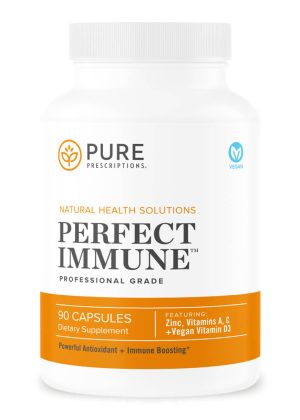
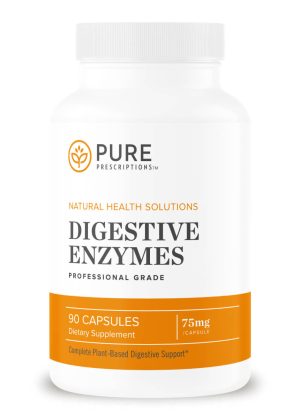
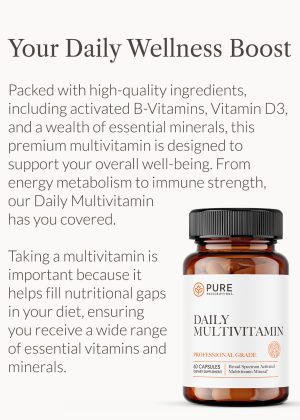
The first line of defense in this case is to manage the stressors in your life (all of the things you have heard of before – exercise, yoga, music, meditation, change something about your stressful situation, etc.). If you absolutely cannot change your relationship to the stressor, we recommend you support your stress and immune pathways with the following: Read More…


certain cancers. Environmental pollution, smoke, unhealthy fats and oils, toxic chemicals created during cooking, sunlight, radiation and even normal metabolism can all cause oxidative free-radical damage to delicate body structures. In addition to contributing to major health problems, this damage is also responsible for many of the visual signs of aging. Antioxidants help to prevent or mitigate this damage. A wide spectrum of antioxidants offers the best protection. Popular choices include Pure Q10™ (Coenzyme Q10), Curcumin C3 Complex®, and vitamins C and E. But the best recommendation of all is getting extra antioxidants from a comprehensive superfood blend. Here are a few good one to choose from.

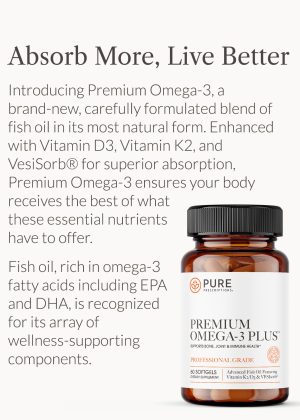
families of EFAs: omega-3 and omega-6, which need to be consumed in a balanced ratio. The body must receive a balanced supply of omega-3 and omega-6 EFAs to ensure proper eicosanoids production. Eicosanoids are hormone-like compounds that affect virtually every system in the body-they regulate pain and inflammation, help maintain proper blood pressure and cholesterol levels, and promote fluid nerve transmission. The problem is that, in our modern industrialized food system, omega-3s have become largely absent from the food chain while omega-6s have become overabundant. Even the healthiest diets contain too many omega-6s and not enough omega-3s. Decades of scientific evidence indicates that this EFA imbalance can contribute to chronic inflammation and a variety of chronic health issues. The most beneficial omega-3s that we’re missing are EPA (eicosapentaenoic acid) and DHA (docosahexaenoic acid). Purified fish oil is the best direct source of EPA and DHA. 


Feingold, believed that these problems are a result of ingesting too high amounts of artificial chemicals. This elimination diet encourages eating like people used to eat before foods with these specific chemicals were widely used in the food supply.
salicylates could be detected in some hyperactive children. As many as 10 to 25% of all children may be sensitive to salicylates. The success of the diet may depend on the degree of a person’s sensitivity to salicylates and food additives, and the amount of additives present in foods.
Prevention Diet is recommended for people who do not have heart disease, but whose cholesterol levels are above 150, or for people with a ratio of total cholesterol to high-density lipoprotein (HDL or “good” cholesterol) that is less than 3.0.